When an EPF member passes away without registering a valid nomination, claiming the Provident Fund balance becomes legally sensitive and procedurally more detailed. In such cases, the standard nominee-based claim process cannot be used. Instead, legal heirs must file Form 51F EPF, a specific claim form prescribed under the EPF Scheme for death cases where no nominee is listed in the official records.
Understanding when and how to use this form is crucial to avoiding delays, objections, or rejection of the claim.
This 2026 guide explains how legal heirs can claim PF without nomination using Form 51F, including eligibility rules, required documents, step-by-step filing procedure, and common mistakes to avoid. Whether you are a spouse, parent, child, guardian, or court-appointed representative, this article will help you navigate the process correctly and ensure that the rightful beneficiaries receive the provident fund amount with minimal complications.
1. What Is Form 51F EPF?
Form 51F EPF is a claim form used by legal heirs to withdraw provident fund benefits when a deceased member did not register a valid nomination. It requires legal heir documentation and employer verification before EPFO processes the claim.
It is governed by the rules of the Employees' Provident Fund Organisation (EPFO) and is typically used in death claim cases where no nominee exists in EPF records.
2. 6 Situations When Form 51F EPF Is Required
Form 51F is used under various circumstances, such as: death of an EPF member without nomination, no nomination filed with Form 2, invalid or outdated nominee details, or disputes among family members.
Death of an EPF Member Without a Valid Nomination
The Form 51f EPF is primarily used in death claim situations where no valid nomination exists in the records of the Employees' Provident Fund Organisation (EPFO). If an EPF member passes away and no nominee is registered through Form 2, the claim cannot proceed through the standard nominee-based process. In such cases, legal heirs must initiate the claim using EPF Form 51F.
No Nomination Filed Through Form 2
One of the most common reasons for using Form 51f Provident Fund is the absence of a registered nomination. If the deceased member never submitted Form 2, EPFO has no officially recorded beneficiary. Therefore, legal heirs must establish their entitlement by submitting proper documentation along with Form 51F EPFO.
Invalid or Outdated Nominee Details
There are instances where a nomination exists but is legally invalid. For example, if a nomination does not comply with the definition of “family” under EPF Scheme provisions (for example, excluding spouse after marriage), it may become invalid. Similarly, incorrect nominee details can make the claim void. In such cases, the claim must proceed using Form 51f.
Nominee Predeceased the Member
If the registered nominee passed away before the EPF member and no fresh nomination was filed, EPFO cannot process the claim under Form 20. The rightful legal heirs must instead apply through Form 51f epf.
Disputes Among Family Members
When multiple family members claim entitlement and disputes arise, EPFO may require formal legal documentation. In such situations, the claim is processed under EPF Form 51F, supported by a legal heir or succession certificate.
Minor Claimant Requiring Guardian Filing
If the eligible beneficiary is a minor child, the claim must be filed by a guardian. The guardian must attach relevant declarations and proof while submitting Form 51F Provident Fund.
In summary, Form 51f EPF is used whenever there is no legally valid nominee available in EPFO records at the time of the member’s death.
3. Who Can Submit Form 51F EPF?
We might get confused about who can submit Form 51F. Legal heirs of the deceased, immediate family members, court-appointed representatives, and guardians on behalf of minors are eligible for filing, depending on the situation.
Legal Heirs of the Deceased Member
A frequently searched question is who can submit form 51f epf. The primary individuals eligible to apply are the legal heirs of the deceased member. These heirs must prove their relationship and entitlement through valid legal documents while filing epf form 51f.
Immediate Family Members Under EPF Rules
Immediate family members, as defined under EPF Scheme provisions, are generally eligible to submit Form 51F EPFO. However, eligibility depends on marital status and dependency conditions at the time of the member’s death.
Court-Appointed Representatives
In situations involving disputes or unclear heirship, a court-appointed legal representative may submit Form 51f. This typically requires submission of a succession certificate or a formal court order.
Guardians Filing on Behalf of Minors
If the rightful claimant is a minor, a natural or legally appointed guardian must file the application. The guardian must provide proof of guardianship while initiating the Form 51f EPF claim process step by step.
4. Definition of “Family” Under EPF Rules
Family Definition for a Male Member
For a male EPF member, “family” includes his wife, children (whether married or unmarried), and dependent parents. These individuals are considered primary beneficiaries when filing Form 51f Provident Fund.
Family Definition for a Female Member
For a female EPF member, family includes her husband, children, dependent parents, and in certain cases, her husband’s dependent parents. These definitions guide eligibility under Form 51f EPFO.
Unmarried Member Beneficiary Rules
For an unmarried member, parents qualify as family members under EPF rules and may claim, subject to verification. In such cases, parents would initiate the Form 51F EPF claim process step by step to claim the provident fund amount.
Understanding these classifications is essential when determining who can submit Form 51F EPF.
5. Difference Between Form 20 and Form 51F
Understanding the difference between Form 20 and Form 51F is crucial before initiating an EPF death claim. The choice of form depends primarily on whether a valid nomination exists in EPFO records at the time of the member’s death.
Using the correct form ensures faster processing, reduces documentation hurdles, and prevents unnecessary legal complications during claim settlement.
| Basis | Form 20 | Form 51F |
| Used When | Nominee exists | No valid nomination |
| Filed By | Registered nominee | Legal heir |
| Documentation | Basic ID proof | Legal heir/succession certificate required |
| Complexity | Simple process | More documentation & verification |
| Risk of Delay | Low | Moderate |
Key Insight: If a valid nomination exists (submitted via Form 2), Form 20 is used. If no nomination exists, Form 51F becomes necessary.
Read EPFO Forms 2026 Guide: Meaning, Uses & Latest Digital Filing Rules
6. Details Required in Form 51F EPF
Filling Form 51F requires precision, as the claim is processed without a registered nominee. Since legal heir verification is involved, every detail must exactly match EPFO records and supporting documents to avoid objections or delays.
A. Deceased Member Details
- Full Name
- UAN (Universal Account Number)
- PF Account Number
- Date of Death
- Employer details
- Last working date
If you're facing issues with UAN Activation or Multiple UANs, check out his guide.
B. Claimant Details
- Full Name
- Relationship with the deceased
- Address & Contact details
- Aadhaar Number
- PAN (if applicable)
- Bank Account details (IFSC + Cancelled cheque)
C. Guardian Details (If Minor Claimant)
- Name of guardian
- Relationship with a minor
- Guardian declaration
Accuracy is critical because incorrect details can delay processing.
Read about EPFO Aadhaar-UAN Linking Made Easy: Employers Can Update Without Separate Approval
7. Mandatory Documents Required for Form 51F EPF Claim
When no valid nomination exists, documentation becomes the backbone of the claim process. Since Form 51F involves legal heir verification, the Employees’ Provident Fund Organisation (EPFO) requires additional supporting documents to establish rightful entitlement and prevent disputes.
Submitting complete and properly certified documents at the time of application significantly reduces processing delays and objections.
Mandatory Documents:
- Original or certified copy of the Death Certificate
- Legal Heir Certificate or Succession Certificate
- Identity proof (Aadhaar)
- Bank passbook copy or cancelled cheque
- Address proof
- Employer attestation
Additional Documents (If Applicable):
- Guardian certificate (for minors)
- Indemnity bond
- Joint declaration (if multiple heirs)
- Court order (in dispute cases)
Pro Tip: Ensure the name in the legal heir certificate exactly matches EPF records.
8. Form 51F claim process (Step-By-Step)
Step 1: Download Form 51F
Obtain the form from:
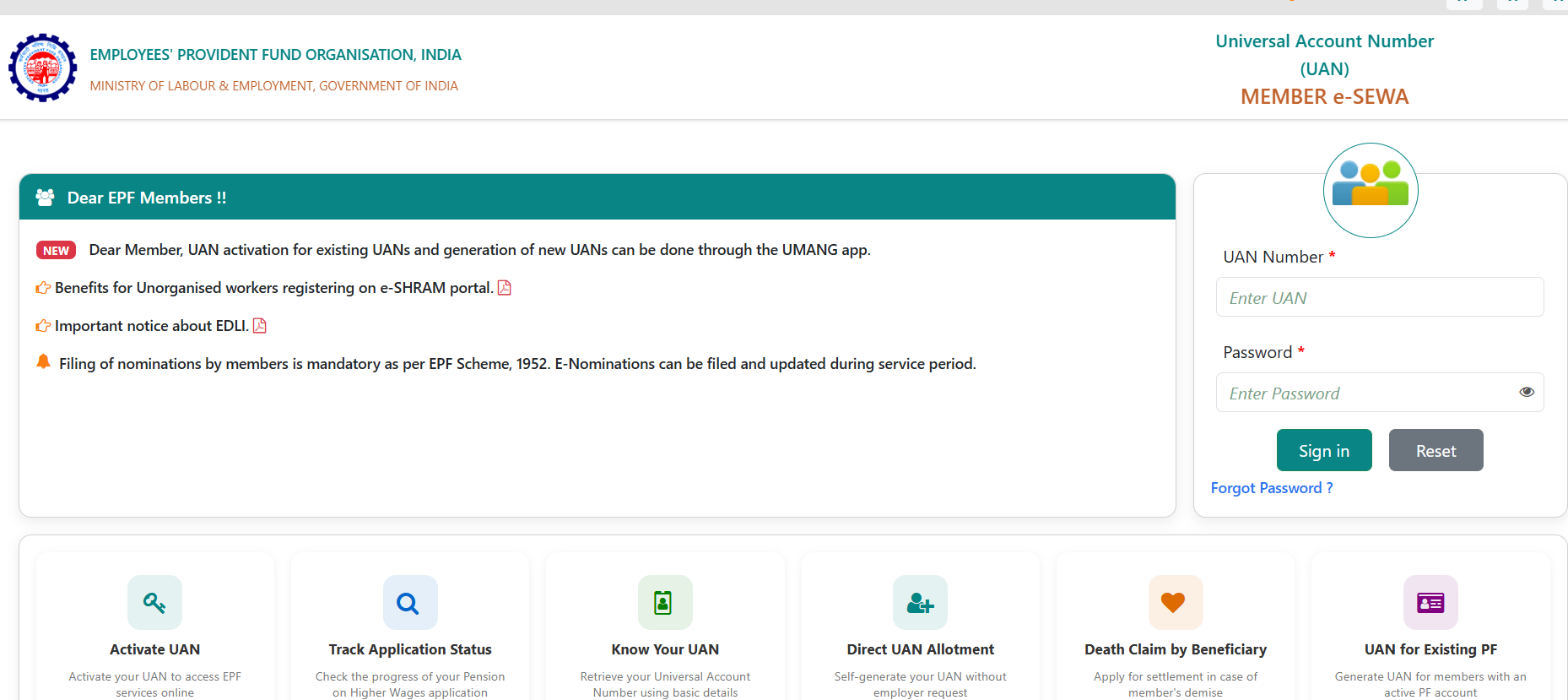
- Official EPFO website
- Employer HR department
- Regional EPFO office
Step 2: Enter Member Details
Fill in:
- UAN
- PF account number
- Date of death
- Establishment details
Step 3: Fill Claimant Details
Mention:
- Name
- Relationship
- Aadhaar number
- Bank account information
Step 4: Attach Supporting Documents
Include:
- Death certificate
- Legal heir certificate
- ID proof
- Cancelled cheque
Step 5: Employer Verification
The employer must:
- Certify employment details
- Verify member information
- Stamp and sign the form
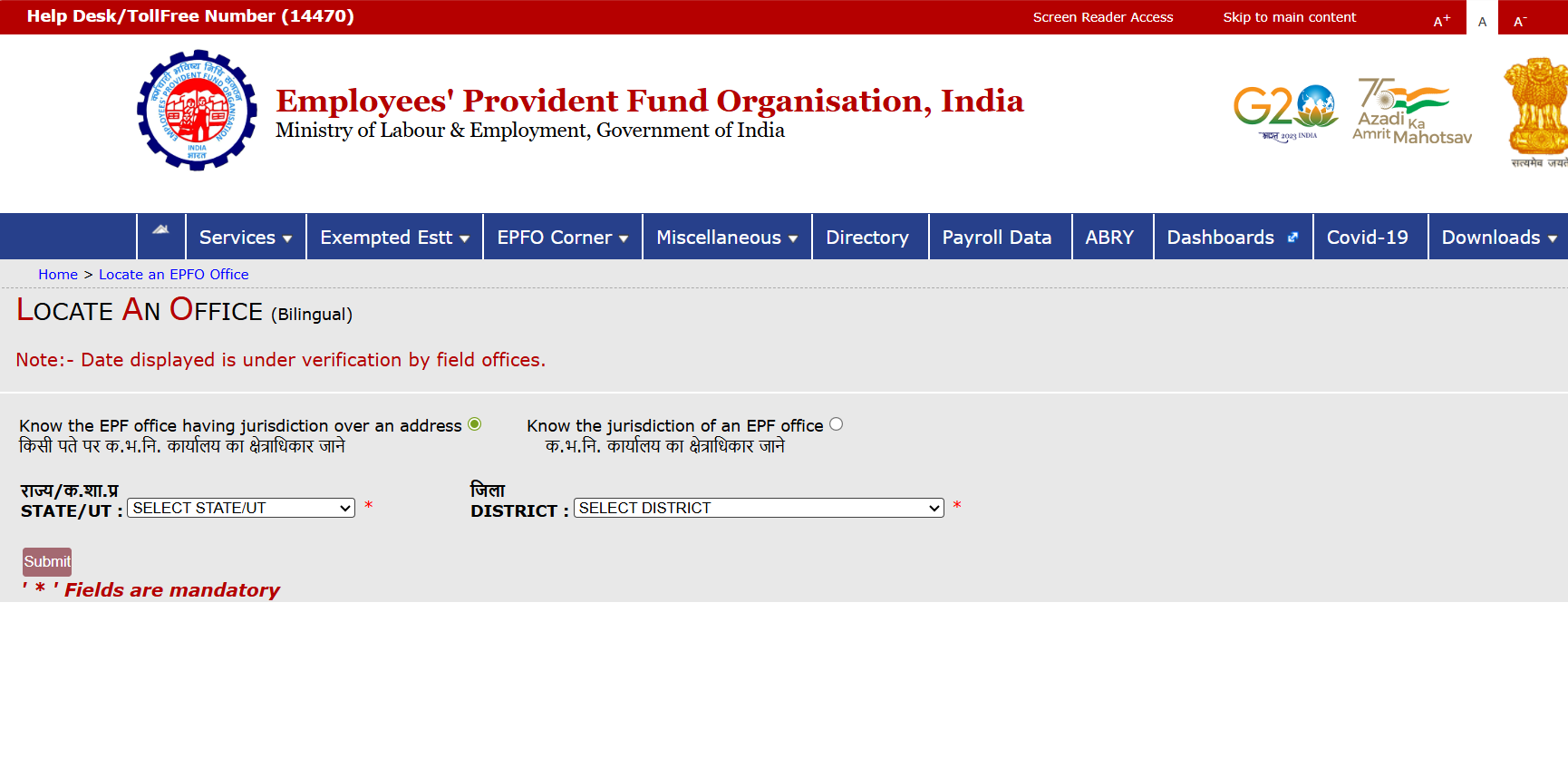
Step 6: Submit to the EPFO Regional Office
Submit physically to the EPFO office where the member’s account is maintained.
Step 7: Track Claim Status
Track claim via:
9. Can Form 51F Be Submitted Online?
In most situations, Form 51f epf is submitted offline. This is because EPFO requires physical verification of legal heir certificates and supporting documentation before approving the claim.
Conditions Where Online Processing May Apply
If Aadhaar is linked, e-Nomination exists, and bank details are verified, certain claims may be processed through integrated online claim systems. These services are available via the Unified Member Portal of the Employees' Provident Fund Organisation.
Why Offline Filing Is Common
Due to the sensitive nature of death claims and the legal verification required, most EPF Form 51F applications are handled physically. Applicants researching how to claim EPF using Form 51F should be prepared for document submission at the regional EPFO office.
10. Rules for Married vs Unmarried Members for Form 51F
If the Member Was Married
When a married member passes away, the spouse holds the first right to claim benefits. Children are next in priority. Parents can claim only if financially dependent. If nomination rules were violated or not updated, the claim must proceed under Form 51F EPFO.
If the Member Was Unmarried
For unmarried members, parents are considered primary beneficiaries. Siblings may claim only if dependent and if no parents are alive. These rules significantly influence the Form 51f epf claim process step by step.
These provisions are strictly applied while reviewing PF Form 51F claims.
11. Processing Time for Form 51F EPF
The average processing time for Form 51f epf claims ranges from 15 to 30 working days, provided all documentation is complete.
Factors That Cause Delays
Delays in Form 51F Provident Fund claims typically occur due to missing legal heir certificates, disputes among heirs, incorrect bank details, employer verification delays, or Aadhaar mismatches.
Applicants searching for how to claim epf using form 51 f should ensure documentation accuracy to avoid prolonged processing.
12. 4 Common Mistakes to Avoid While Filing Form 51F EPF
These common mistakes should be avoided for a swift filing of the form. People face disappointment often because of these simple-to-avoid mistakes. Missing legal heir, name mismatches, employer attestation errors, separate claims, and incorrect banking details are some common mistakes to look out for.
Missing Legal Heir Certificate
Filing Form 51f Provident Fund requires careful documentation. One of the most common mistakes is submitting the application without a valid legal heir certificate. EPFO rarely processes such claims without formal proof of succession.
Name Mismatch Issues
Name mismatches between Aadhaar records and EPF records are another frequent issue. Even minor spelling discrepancies can lead to rejection or queries. Similarly, providing incorrect bank account details or failing to attach a cancelled cheque can result in payment delays.
Employer Attestation Errors / Separate Claims
Another major oversight is forgetting employer attestation. Since most EPF Form 51F claims are processed offline, employer verification is often mandatory. Submitting separate claims by multiple heirs instead of filing a joint claim can also create complications. EPFO generally requires either a joint declaration or a No Objection Certificate (NOC) from other heirs.
Incorrect Banking Details
Providing an incorrect IFSC code or failing to attach a cancelled cheque can delay fund disbursement under PF Form 51F.
Understanding these pitfalls is crucial for anyone researching how to claim epf using Form 51F, as documentation accuracy directly impacts approval timelines.
If you are facing issues regarding EPF, read about EPF Troubleshooting Masterclass 2026: Solve Common EPF Problems Easily
13. When Should You Use Form 51F Instead of Other EPF Forms?
There are situations that demand the use of Form 51F, and these include having no valid nomination, a nominee preceding the member, or if there is a legal heir or the court is involved.
No Valid Nomination Exists
It is important to distinguish Form 51f epf from other EPF claim forms. This form should be used when no nomination exists in EPFO records, when nominee details are legally invalid, or when the nominee has predeceased the member.
Legal Heir or Court Involvement Required
Additionally, if legal heir involvement becomes necessary due to documentation gaps or disputes, the claim must proceed under Form 51F EPFO. Court intervention cases also require this form. However, if a valid nomination exists and the nominee is alive, the correct form to use is Form 20. In such situations, filing pf form 51f would be unnecessary and may lead to rejection.
Knowing the correct form ensures a smoother Form 51f epf claim process step by step and prevents administrative delays.
Still confused about other forms? Read EPFO Forms 2026 Guide: Meaning, Uses & Latest Digital Filing Rules
14. What Happens If There Are Multiple Legal Heirs?
Joint Submission Requirement
When multiple legal heirs exist, EPFO requires them to jointly submit Form 51F EPF or authorise one claimant through a No Objection Certificate.
Succession Certificate in Case of Dispute
If heirs disagree, EPFO may require a succession certificate from a court before processing form 51f provident fund.
Distribution of Funds
The provident fund amount may be distributed proportionately based on legal heir declarations or court orders. Understanding this is critical for those researching who can submit Form 51f EPF and navigating the Form 51f epf claim process step by step.
15. Important Compliance Considerations
- In death cases, EPF withdrawal is generally exempt from tax under prevailing Income Tax provisions. However, PAN may be required for record purposes in certain cases.
- If a member has completed 5 years of service, PF is typically tax-exempt.
- Claims exceeding ₹50,000 may require PAN submission.
- Aadhaar linkage is strongly recommended.
- EPFO processes death claims under Para 70 of the EPF Scheme, 1952, subject to verification of entitlement.
16. Practical Example Scenario
Case Study:
An unmarried employee passes away without filing Form 2 nomination. His parents apply for PF withdrawal.
They must:
- Obtain a legal heir certificate.
- Fill Form 51F.
- Attach the death certificate.
- Submit to the employer for verification.
- File with the EPFO office.
Processing typically takes 3–4 weeks.
17. How to Avoid Needing Form 51F
To prevent legal complications:
- Always submit Form 2 (Nomination).
- Update the nomination after marriage.
- Update details after childbirth.
- Keep Aadhaar and bank details updated.
This ensures smooth claim settlement.
18. FAQs – Form 51F EPF
1. What is Form 51F used for in EPF?
Form 51F is used to claim EPF benefits in cases where a deceased member did not register a valid nomination under EPF records. Unlike Form 20, which is typically used when a nominee exists, Form 51F applies when legal heirs must establish their claim through succession or heirship documentation.
This form enables legal heirs to request settlement of the Provident Fund balance, and in certain cases, related benefits such as pension or EDLI insurance, subject to eligibility and verification by EPFO.
2. Is employer attestation mandatory?
In most offline Form 51F submissions, employer attestation is required, particularly if the member was in active service at the time of death. Employer certification helps EPFO verify employment details, last contributions, and service status.
However, in limited situations where records are fully Aadhaar-verified and digitally aligned, employer involvement may be reduced. Still, for death claims without nomination, EPFO generally relies on employer validation to avoid disputes.
3. Can siblings claim using Form 51F?
Siblings can claim EPF benefits only if they qualify as legal heirs under succession laws and there are no surviving primary beneficiaries such as spouse, children, or dependent parents.
EPFO does not automatically recognise siblings unless supported by proper legal heir or succession certificates. If closer legal heirs exist, siblings may not be eligible to claim independently.
4. How long does EPFO take to process Form 51F?
The typical processing time for Form 51F is 15–30 working days after submission of complete documentation. However, since Form 51F involves legal heir verification, it may take longer than standard nominee-based claims.
Processing time depends on:
- Accuracy and completeness of documents
- Availability of a legal heir or succession certificate
- Employer verification (if required)
- Regional EPFO office workload
Incomplete documentation is the most common cause of delay.
5. Is a legal heir certificate compulsory?
In most Form 51F cases, EPFO requires a legal heir certificate or succession certificate to establish rightful beneficiaries. This is especially important when no nomination exists.
In limited situations involving smaller claim amounts, EPFO may accept additional declarations, indemnity bonds, or joint undertakings from heirs. However, this varies by regional office and is not guaranteed. When in doubt, securing a proper legal heir certificate ensures smoother processing.
6. Can a minor receive the PF amount?
Yes, a minor who qualifies as a legal heir can receive the PF amount through a legal guardian. The guardian must submit:
- Guardian declaration
- Proof of relationship
- Minor’s birth certificate
- Bank account details (usually a minor account operated by a guardian)
EPFO ensures that the funds are transferred legally and safely, protecting the minor’s financial interest.
Key Takeaways
- Form 51F EPF is used when no valid nomination exists.
- It is primarily an offline claim form.
- Legal heir documentation is mandatory.
- Employer verification is crucial.
- Processing takes around 15–30 days.
- Proper nomination filing prevents future complications.
Final Thoughts
Dealing with EPF claims after the loss of a family member can be emotionally and administratively overwhelming. Understanding the correct use of Form 51F EPF ensures that rightful beneficiaries receive their Provident Fund dues without unnecessary delays.
If you are an employee, the best way to protect your family is simple: update your EPF nomination today.
If you are a legal heir, ensure documentation accuracy before submission to avoid rejections.
Proper planning today prevents legal complications tomorrow.
How Kustodian.life Can Help
Filing a Form 51F EPF claim can be complex, especially when legal heir documentation and multiple beneficiaries are involved. Kustodian simplifies the entire process by guiding families through the Form 51F EPF claim process step by step, ensuring accuracy and compliance.
We help you understand who can submit Form 51f EPF, verify eligibility under EPF rules, and prepare all required documents - including legal heir certificates, guardian declarations, and employer attestations. Our team also reviews bank details, Aadhaar records, and nomination status to prevent common errors that delay EPF Form 51f approvals.
If you're unsure how to claim e using Form 51F, EPF Kustodian provides structured support from documentation to final submission, reducing stress and improving processing timelines.
Disclaimer: This article is for informational purposes only and does not constitute legal or financial advice. Rules may vary based on individual records and EPFO processing.