In 2026, financial security for families in India is no longer just about earning well and saving consistently.
Families are facing rising medical costs, frequent job changes, and financial benefits that are spread across multiple years and employers. Planning still matters, but what matters just as much is whether your family can actually use that planning when life doesn’t go as expected.
This guide looks at financial security in a practical, real-world way.
Overview: What Financial Security Means Today
For most households, financial security for the family in India usually means:
· Stable income
· Savings and long-term investments
· Planning for children and retirement
These are strong foundations. However, they often assume that emergencies are rare and that money can always be arranged when needed. In reality, even a single medical event can disrupt years of careful planning.
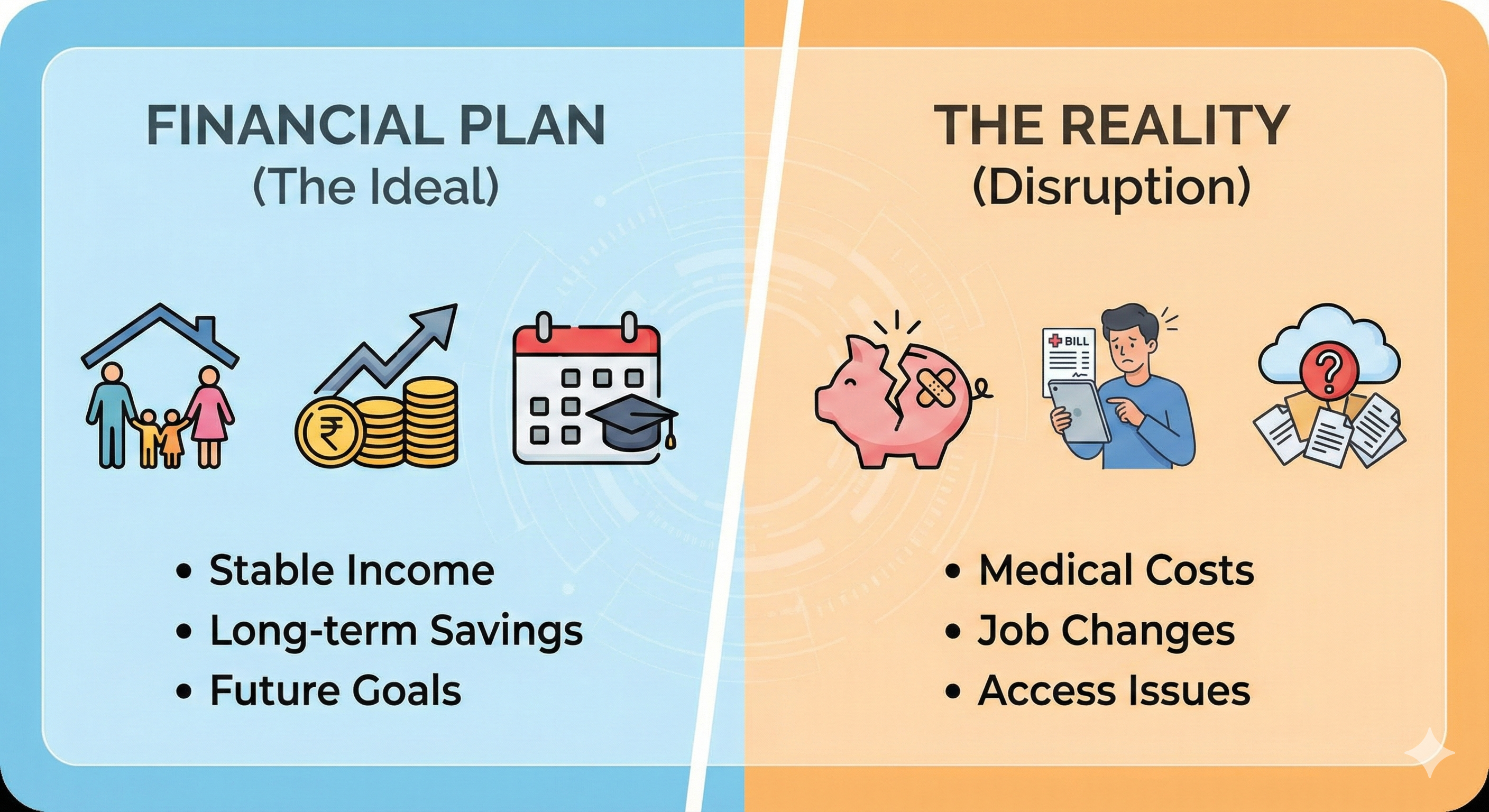
These are strong foundations. However, they often assume that emergencies are rare and that money can always be arranged when needed. In reality, even a single medical event can disrupt years of careful planning.
The Reality Most Families Miss
A large number of families still postpone personal health cover. Many rely entirely on employer benefits or assume they will “take it later.” Medical costs, however, do not wait.
When emergencies happen, families often end up:
· Paying large amounts out of pocket
· Using long-term savings meant for other goals
· Borrowing at the worst possible time
This is one of the most common reasons financial security for families in India starts to weaken.
Advisory-led platforms like Healthysure help families understand coverage gaps and make informed decisions so protection works in real situations, not just on paper.
Planning vs Preparedness
Planning focuses on future goals. Preparedness focuses on disruption.
Prepared families can:
· Handle medical expenses without panic
· Access benefits quickly
· Avoid selling investments or taking expensive loans
This difference is what turns planning into real financial security for a family in India.
The Access Problem
Even well-planned families often face another challenge: access.
Across India, families struggle with:
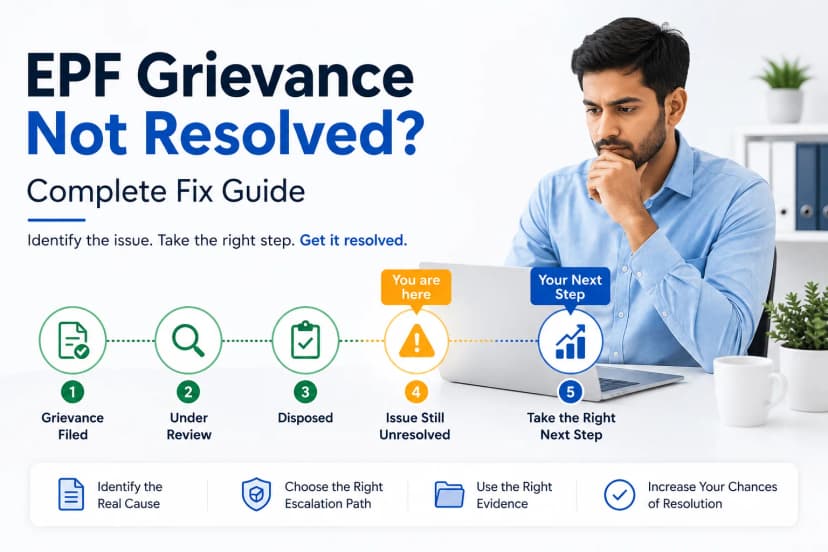
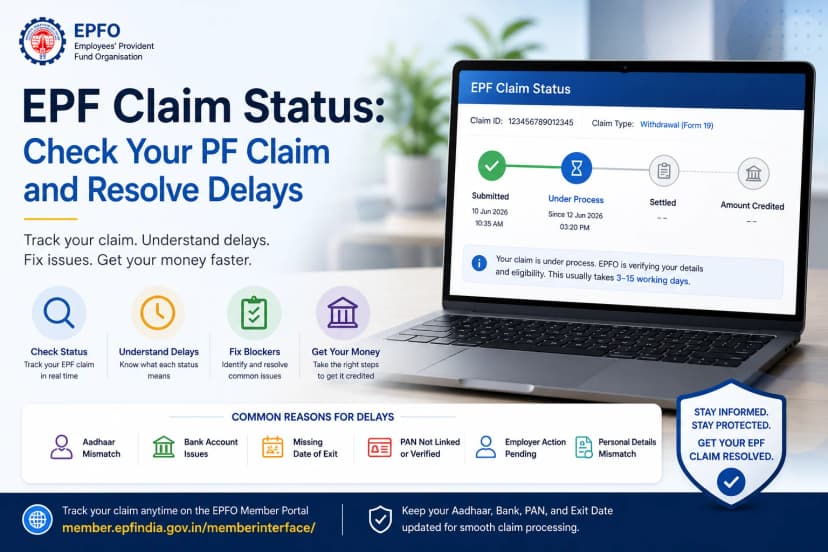
· Old EPF accounts that were never consolidated
· Benefits left behind after job changes
· Bank deposits or shares that go unclaimed
· Complex processes after the loss of a family member
Money exists, but retrieving it becomes stressful and time-consuming when families lack the capacity to deal with it.
This is where Kustodian.Life fits in. Kustodian. Life helps individuals and families trace, claim, and recover financial dues such as EPF, bank deposits, shares, and other assets, and also guides wills and estate-related matters.
A Practical Way Forward
A realistic view of financial security for a family in India today includes:
· Planning income, savings, and long-term goals
· Building a medical safety net early
· Knowing where benefits and assets are spread
· Being prepared to recover funds without confusion
Often, closing old gaps makes a bigger difference than adding new products.
Conclusion
In 2026, financial security for a family in India is not defined only by how much you earn or save, it is defined by how well your family can handle medical, professional, or personal issues without losing stability.
When protection is planned early, preparedness is taken seriously, and access to rightful benefits is not left to chance, financial security becomes something families can truly rely on.