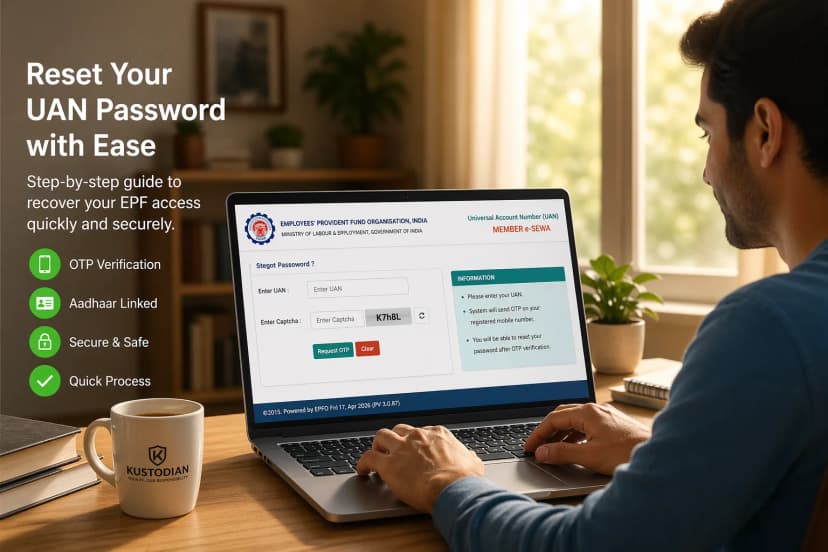
The Employee Provident Fund (EPF) is not just a financial instrument — it’s the backbone of security for more than 27 crore Indians, supporting families in times of retirement, crisis, or bereavement. But as digital media races to capture clicks and dominate search results, misinformation and rumours around the Employees’ Provident Fund Organisation (EPFO) is turning a lifeline into a labyrinth of confusion.
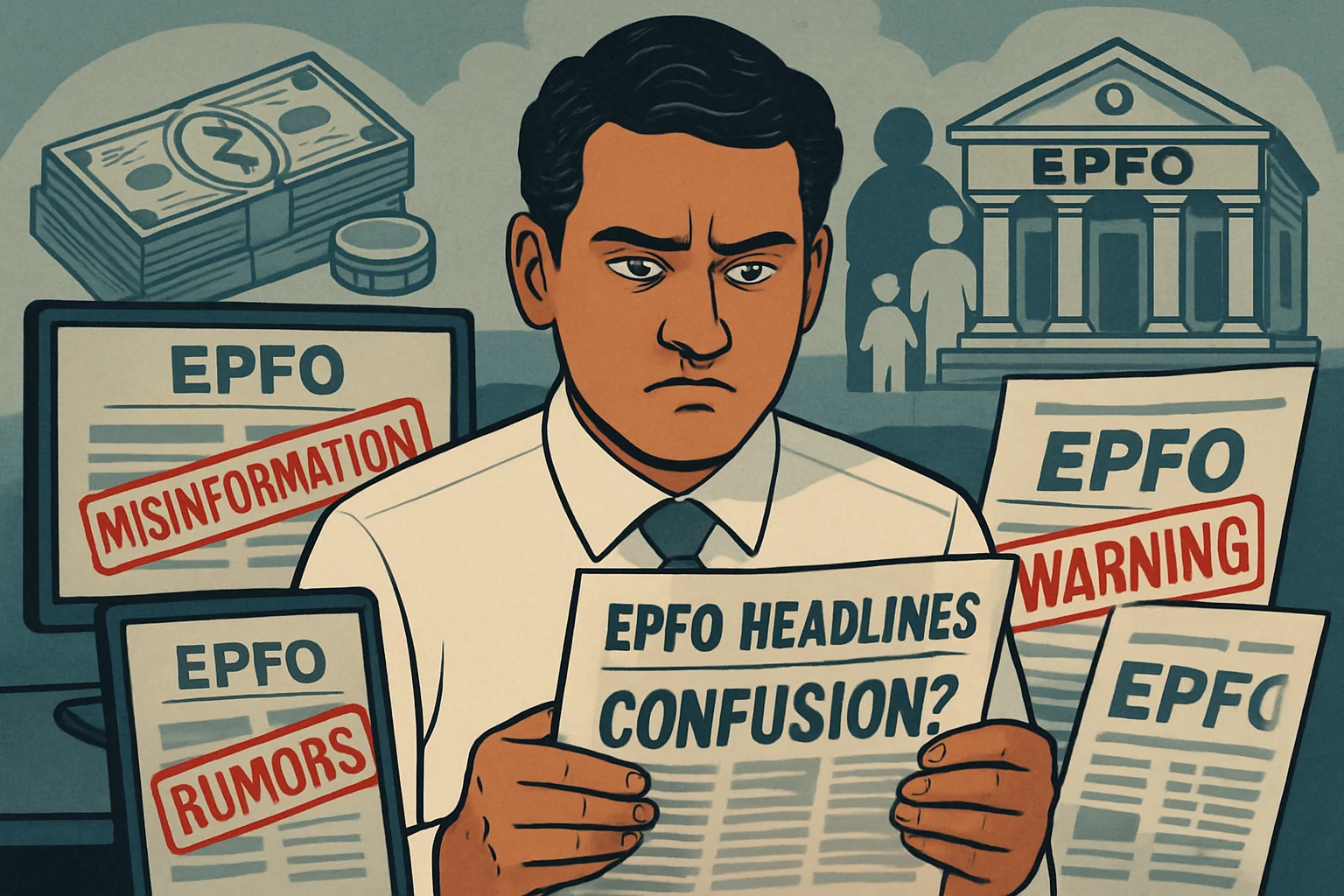
The EPFO 3.0 Rumour Mill: A Case Study in Digital Irresponsibility
Consider the “EPFO 3.0 launches on 30th June!” headlines that swept through blogs and AI-generated articles, many published even after July 16th. The truth? There was no official launch on June 30th and no such formal announcement from EPFO, the Labour Ministry, or PIB. Most of these articles failed to cite credible sources or distinguish between speculation and fact, fueling widespread confusion. Government officials only confirmed a general rollout window between May and June 2025, not a specific date.
Outdated Advice and SEO Traps: When “New” Content is Backdated
A quick search for “how to withdraw PF in 2025” delivers a flood of 2023-era articles, updated with fresh dates but packed with obsolete advice:
- Reference to old forms — Form 10C, manual Form 31 — that are no longer standard
- Ignoring UAN-linked automation and Aadhaar KYC, making the advice outright misleading
- Outdated steps like suggesting a physical EPFO office visit, while 95% of claims are now processed online.
This practice, driven by SEO priorities, isn’t just sloppy. It can be dangerous: spreading panic about fake deadlines, leading people to fall for scams, and causing financial loss or months of delays.
Why Does This Keep Happening?
- Click-driven platforms chase trending keywords: “EPFO interest 2025,” “withdraw PF instantly,” “EPFO 3.0 portal”
- Newsrooms prioritise speed over fact-checking
- AI tools lean on remixed, often outdated content without verifying its integrity
- Writers lacking domain expertise publish with little regard for compliance or accuracy
Who Pays the Price? The Ordinary Indian
For the retiree, the first-time jobholder, the family in financial crisis — every wrong step, every fraudulent claim, every cycle of bad advice erodes trust and can result in real, tangible harm.
A Call for Accountability
If you write or share advice on EPFO:
- Always verify with primary sources: the EPFO portal, PIB, or the Labour Ministry
- Don’t recycle outdated content; label clearly if an update is “announced” versus “implemented.”
- Commit to removing or updating old forms/advice when policies change
- AI is a tool, not a shortcut for skipping research
Readers: Trust, But Always Verify
- Check the official EPFO website for the latest updates
- Scrutinize advice lacking clear sources or dates
- Be skeptical of SEO-rich, ad-heavy pages without substance
EPFO does need to reform and communicate better, but it also deserves a fair representation, not a digital wild west of recycled rumors and half-truths. At Kustodian.life, we’re committed to myth-busting, accurate guidance, and helping families reclaim what’s rightfully theirs with empathy and expertise.
Follow us on LinkedIn and visit Kustodian.life for real updates, trusted information, and to join the movement for clarity over chaos.